Open Book with Apple Tree: A Practical Guide to Using High-Resolution Vector Art
The intersection of education, nature, and literature creates a powerful visual narrative. When you incorporate an Open Book with Apple Tree into your creative projects, you are tapping into a universal symbol of growth, knowledge, and organic learning. However, the difference between a professional-looking design and an amateurish one often lies in the technical quality of the assets you choose. Many creators overlook the critical specifications of digital files, leading to frustrating results during printing or scaling.
This guide explores how to effectively utilize vector-based graphics, specifically focusing on artboard sizes, resolution, and file formats. By understanding the nuances of Adobe Illustrator files and their derivatives, you can avoid common pitfalls that compromise the integrity of your work.
Understanding the Technical Specifications
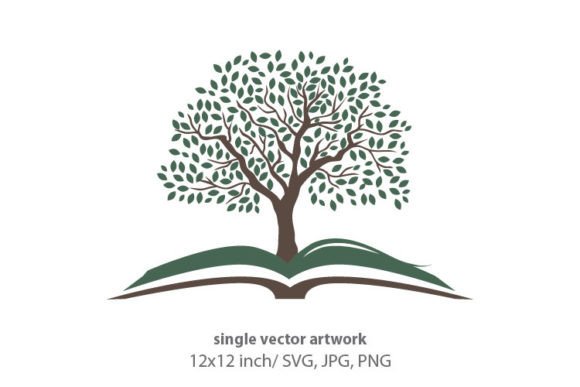
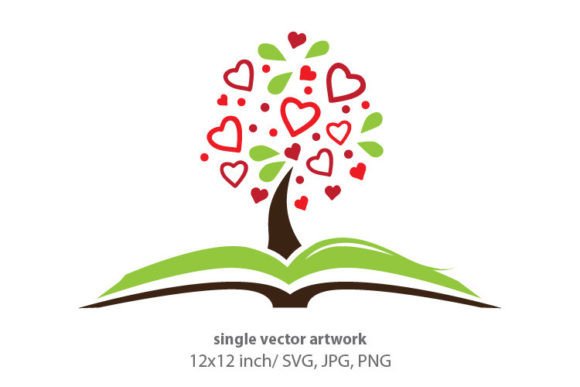
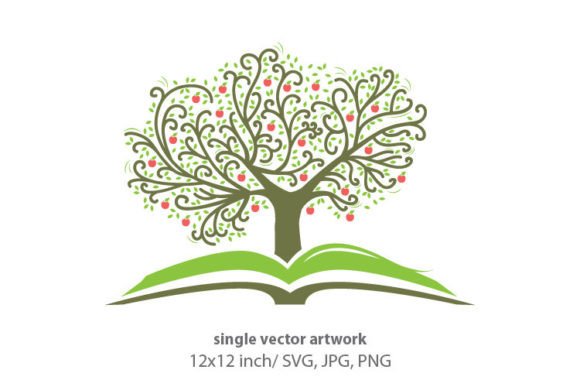
Before diving into design applications, it is essential to understand what you are actually downloading. The Open Book with Apple Tree clipart described here is not merely a static image; it is a versatile digital asset created in a vector program like Adobe Illustrator. The key specifications include an artboard size of 12 x 12 inches, a resolution of 300 DPI, and an RGB color palette. These details are not arbitrary; they dictate how the image will perform across different mediums.
Vector graphics are defined by mathematical paths rather than pixels. This means they can be scaled infinitely without losing clarity. When you receive files in SVG, JPG, and PNG formats, you are getting a comprehensive package. The SVG retains the vector properties for web and scalable print use, while the JPG and PNG provide high-resolution rasterized versions ready for immediate insertion into documents or social media posts.
Common Mistakes in File Selection and Usage
Even experienced designers can stumble when handling mixed-format assets. Here are the most frequent errors creators make when working with educational and nature-themed clipart, along with strategies to avoid them.
Ignoring the Difference Between RGB and CMYK
One of the most significant oversights involves color profiles. The files provided are in the RGB color palette, which is ideal for screens, websites, and digital presentations. However, if you intend to print physical items like invitations, stationery, or wall art, RGB colors may appear dull or shifted when converted by a home printer or professional press.
The Fix: If you are designing for print, open the vector file (SVG or AI) in Adobe Illustrator and convert the document color mode to CMYK before finalizing your design. This ensures that the vibrant greens of the apple tree and the crisp lines of the book translate accurately to paper. For digital-only uses, such as web design or email announcements, stick with the original RGB files to maintain brightness and clarity.
Misunderstanding Resolution and DPI
While vector files are resolution-independent, the accompanying JPG and PNG files are raster images set at 300 DPI. A common mistake is assuming these raster files can be enlarged indefinitely. If you stretch a 12x12 inch PNG beyond its intended dimensions, you will encounter pixelation, resulting in jagged edges and a loss of professional quality.
The Fix: Always use the SVG format for large-format prints like banners or oversized wall art. Reserve the JPG and PNG files for their native size or smaller applications, such as handmade cards, jewelry inserts, or web thumbnails. Checking the image properties before placing them in your layout software can save you from costly reprints.
Overlooking Licensing and Commercial Use
Many beginners assume that downloading a graphic grants them unlimited rights. While this specific asset is designed for broad usage—including logo design, party decor, and merchandise—it is crucial to verify the license terms for each project. Using a standard clipart element as the sole component of a trademarked logo can sometimes lead to legal ambiguities if the design is not sufficiently unique.
The Fix: Use the Open Book with Apple Tree as a foundational element. Combine it with typography, other graphics, or custom shapes to create a distinct composition. This approach not only mitigates legal risks but also enhances the originality of your brand identity or craft item.
Maximizing Versatility Across Projects
The true value of high-quality vector clipart lies in its adaptability. Here is how you can leverage this specific graphic across various industries and hobbies without compromising quality.
- Educational Materials: Teachers and homeschooling parents can use the imagery to create engaging worksheets, reading logs, and classroom decorations. The symbolic connection between the apple tree and the book reinforces themes of literacy and natural growth.
- Small Business Branding: Entrepreneurs running bookstores, tutoring services, or eco-friendly brands can integrate this graphic into their logo design. Ensure you edit the vector paths to match your brand’s specific color scheme for a cohesive look.
- Handmade Crafts and Stationery: For those creating handmade cards or invitations, the 300 DPI PNG files offer a quick drag-and-drop solution. However, for printed paper items like journals or planners, importing the SVG into design software allows for precise alignment and layering with text.
- Web and Graphic Design: Bloggers and marketers can use the SVG format to ensure fast loading times and sharp display on retina screens. This is particularly important for maintaining a professional aesthetic on landing pages and digital announcements.
What to Check Before You Download or Buy
To ensure satisfaction and efficiency, adopt a checklist approach when evaluating digital graphics. First, confirm the file formats included. A package containing only JPGs is insufficient for professional scaling; you need SVG or AI files for true flexibility. Second, verify the artboard size. A 12x12 inch canvas provides ample space for detailed elements, ensuring that intricate parts of the apple tree or book pages are not cramped.
Additionally, consider the complexity of the vector paths. Overly complex vectors can slow down web performance or cause issues with certain cutting machines used in crafts. Clean, well-organized layers in Adobe Illustrator files make customization easier, allowing you to isolate the apple, the leaves, or the book for separate use.
Enhancing Your Workflow with Vector Assets
Integrating vector graphics into your workflow should streamline your creative process, not complicate it. By choosing assets like the Open Book with Apple Tree that come in multiple formats, you equip yourself for any scenario. Whether you are designing a delicate piece of jewelry packaging or a bold website header, having the right file type on hand prevents last-minute scrambling.
Remember that quality inputs yield quality outputs. Investing time in understanding the technical aspects of your digital tools—such as resolution, color modes, and vector scalability—empowers you to produce work that stands out. Avoid the temptation to cut corners with low-resolution screenshots or improperly formatted files. Instead, leverage the full potential of Adobe Illustrator-generated assets to create polished, professional, and visually compelling designs.
By adhering to these practical guidelines, you transform a simple clipart element into a powerful component of your creative toolkit. Whether you are a freelancer delivering client work or a hobbyist crafting gifts, the attention to detail you apply now will reflect in the superior quality of your final products.