Cow and Leopard Print Bleached Patches: Elevating Designs with Distressed Digital Assets
In the ever-evolving landscape of digital design and textile printing, texture is king. Flat, solid colors often fail to capture the eye in a saturated market where consumers crave authenticity, grit, and visual depth. This is where Cow and Leopard Print Bleached Patches come into play. These are not just simple clipart images; they are high-resolution, distressed sublimation assets designed to mimic the organic, worn-in look of vintage fabric treatments. By integrating these elements into your creative workflow, you bridge the gap between digital precision and analog charm, offering a product that feels lived-in and unique from the moment it is printed.
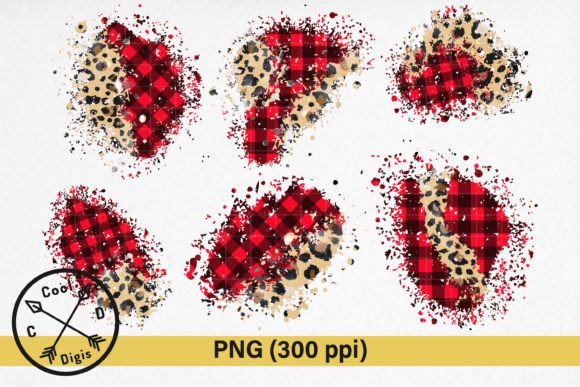
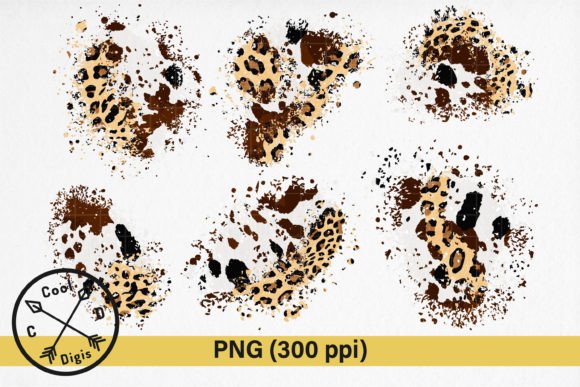
Understanding the utility of these assets requires looking beyond the file format. At their core, these PNG files represent a shortcut to achieving a complex aesthetic. The "bleached" effect implies a chemical or sun-faded degradation of the original pattern, creating white spaces, frayed edges, and uneven color saturation. Replicating this manually in software like Photoshop or Illustrator can take hours of layering, masking, and texturing. With a pre-made collection of six high-quality elements, designers can instantly apply this rugged style to t-shirts, tote bags, home decor, and more. The key lies in knowing how to leverage these specific visual cues to enhance your brand’s storytelling.
The Power of Distressed Aesthetics in Modern Apparel
The fashion industry, particularly in the realm of custom apparel and streetwear, has seen a massive shift toward "imperfect" designs. Consumers are moving away from the sterile, plastic-like feel of early direct-to-garment prints and embracing looks that suggest history and character. Cow and Leopard Print Bleached Patches serve as perfect anchors for this trend. Animal prints, specifically cow and leopard, have transcended their seasonal trends to become staples in bohemian, western, and edgy fashion circles. However, standard animal prints can sometimes feel dated or overly glossy. Adding a distressed, bleached overlay modernizes the pattern, making it feel contemporary and curated.
Consider a small business owner launching a line of western-inspired tees. Using a crisp, vector-based cow print might look too cartoonish or cheap. By utilizing these distressed PNGs, the print inherits a texture that mimics screen-printed ink cracking or fabric wear. This subtle detail increases the perceived value of the garment. It suggests that the item is not mass-produced in a factory but crafted with attention to artistic detail. For the end-user, wearing a shirt with this texture feels softer and more integrated into the fabric, rather than sitting on top of it like a sticker.
Versatility Across Industries and Creative Projects
While t-shirt printing is the most obvious application, the utility of these high-resolution PNG files extends far beyond apparel. The 300 DPI resolution ensures that the details remain sharp whether you are printing on a small mug or a large canvas. Here is how different creators can benefit from this collection:
- Home Decor and Interior Design: Throw pillows, blankets, and wall art benefit immensely from textured patterns. A leopard print cushion with a bleached, faded effect fits perfectly into modern farmhouse or eclectic interiors, adding warmth without overwhelming the space.
- Digital Marketing and Web Backgrounds: For bloggers and social media managers, these patches can be used as overlay elements in Instagram stories, Pinterest pins, or website headers. The transparent background of the PNG files allows for seamless integration over photos or solid colors, adding a grunge element to digital campaigns.
- Scrapbooking and Paper Crafts: Digital scrapbookers can use these elements to create vintage-style layouts. The distressed edges mimic torn paper or aged photographs, enhancing the nostalgic feel of memory-keeping projects.
- Sublimation Specialists: For those with prior knowledge of sublimation, these files are gold. Sublimation relies on heat and pressure to transfer dye into polyester fibers. The bleached areas in the design allow the base color of the substrate to show through, creating a multi-layered look without multiple printing passes.
Each of these scenarios highlights a common thread: the need for efficiency without sacrificing quality. Instead of sourcing multiple textures and blending them manually, creators have a ready-to-use solution that maintains consistency across their product lines.
Technical Considerations for Optimal Results
To truly maximize the potential of Cow and Leopard Print Bleached Patches, one must respect the technical requirements of digital printing. These files are provided in RGB color mode at 300 DPI. While this is ideal for screen viewing and most digital printing processes, it is crucial to understand how color translation works. RGB (Red, Green, Blue) is the color space of monitors, while printers often use CMYK (Cyan, Magenta, Yellow, Key/Black). Although many modern sublimation printers handle RGB files well, there can be slight variations in color vibrancy.
Furthermore, the concept of "bleached" relies heavily on the substrate. If you are printing on a white shirt, the bleached areas will appear white. However, if you print on a heather gray or black garment, the result will be drastically different. The transparency in the PNG files means that the "bleached" parts are not necessarily white ink; they are often areas of reduced opacity or lighter pigment. Therefore, testing on different fabric colors is essential. A design that looks stunning on a white tee might lose its contrast on a dark navy shirt unless adjustments are made in your editing software.
Software compatibility is another critical factor. The collection is designed to work with industry-standard tools like Adobe Photoshop, Illustrator, CorelDraw, as well as free alternatives like Gimp and Inkscape. Because these are raster images (PNGs), they are pixel-based. While the 300 DPI resolution allows for significant resizing without noticeable quality loss, they are not infinitely scalable like vector files. Users should avoid enlarging the images beyond their intended print size to prevent pixelation. For best results, always check the image size settings in your software before placing the design on your mockup or print template.
Navigating Common Challenges and Limitations
Despite their versatility, there are limitations to consider. The primary constraint is the need for prior knowledge of sublimation or digital printing workflows. These are not "plug-and-play" solutions for someone unfamiliar with layer management or print settings. Users must understand how to handle transparent backgrounds and how to position the elements to avoid awkward cropping. Additionally, because the design is pre-distressed, you have less control over the exact placement of the "wear and tear." If your brand requires a very specific, uniform look, these organic, random patterns might require careful selection of which of the six elements to use.
Color variation is also a reality of digital printing. As noted in the product details, colors may vary from screen to screen and printer to printer. This depends on the inks used, the type of substrate, and the heat press settings. A vibrant leopard spot on your monitor might print slightly muted on a polyester blend. Experienced creators account for this by ordering samples before running bulk production. This step ensures that the distressed effect reads as intended and that the contrast between the animal print and the bleached areas is visually appealing.
Maximizing Value Through Strategic Design
The true value of this digital download lies in its ability to speed up the creative process while maintaining a high-end aesthetic. By incorporating Cow and Leopard Print Bleached Patches into your library, you are investing in a resource that can be reused across countless projects. You can layer these patches over text, combine them with other graphic elements, or use them as standalone statements. The key is experimentation. Try overlapping the cow print with the leopard print at different opacities. Use them as masks for photos. Apply them to digital mockups to see how they interact with different lighting conditions.
Ultimately, these assets empower creators to produce professional-grade designs with minimal effort. They cater to the growing demand for authentic, textured visuals in a digital world. Whether you are a seasoned sublimation expert or a hobbyist looking to elevate your craft, understanding how to effectively deploy these distressed elements can set your work apart. The combination of classic animal motifs with modern, grunge-inspired processing creates a timeless appeal that resonates with a wide audience. By mastering the technical nuances and exploring diverse applications, you transform simple PNG files into powerful tools for creative expression.