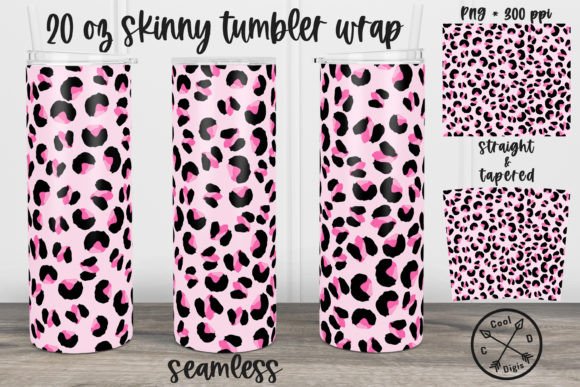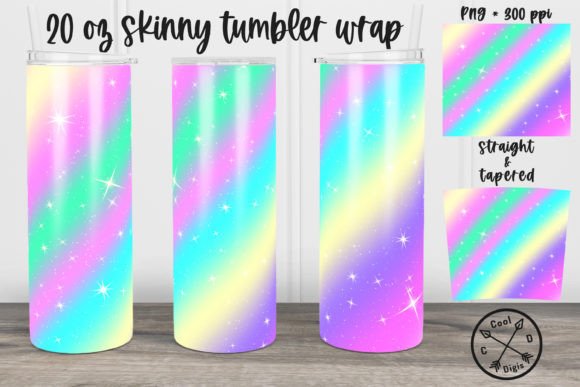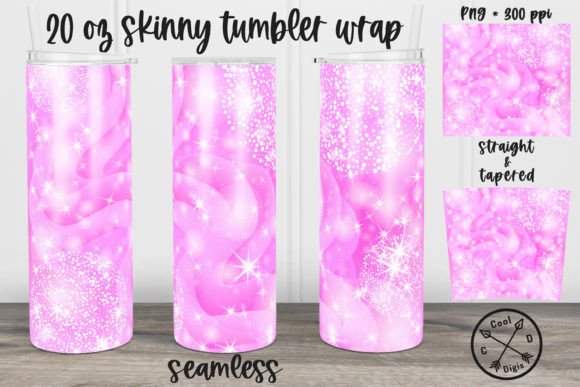
Pink Seamless Princess Design Tumbler: A Guide to Flawless Sublimation Results
The allure of custom drinkware lies in its ability to transform a mundane object into a personalized statement piece. Among the myriad of options available to creators, the Pink Seamless Princess Design Tumbler stands out for its whimsical charm and high-quality aesthetic. This digital download collection, featuring unicorn princess prints and fantasy rose motifs, offers a versatile solution for those looking to create eye-catching 20oz skinny tumblers. However, possessing a high-resolution PNG file is only the first step. Many beginners and even seasoned entrepreneurs stumble not because of a lack of creativity, but due to technical oversights during the preparation and application phases.
Understanding the nuances of sublimation printing is crucial. It is not merely about pressing a button; it is a chemical process where ink turns into gas under heat and pressure, bonding with polyester fibers or polymer coatings. When working with intricate designs like the seamless glitter and straight or tapered tumbler wraps found in this collection, precision is paramount. Ignoring the specific requirements of your substrate or software can lead to wasted materials, frustrated customers, and diminished profit margins. This guide aims to clarify common pitfalls and provide actionable advice to ensure your final product matches the vibrant promise of the digital file.
Misunderstanding File Compatibility and Software Requirements
One of the most frequent errors occurs before the printer even warms up. Users often assume that because a file is labeled "printable," it will work seamlessly with any software they have on hand. The Pink Seamless Princess Design Tumbler package includes two high-quality PNG files in a ZIP folder, specifically formatted at 300 DPI in RGB color mode. While PNGs are versatile, they are raster images, meaning they are made of pixels. Unlike vector files, they cannot be infinitely scaled without potential quality loss if resized incorrectly, although this specific design is noted for its ability to be resized without losing quality due to its large initial dimensions.
The Mistake: Attempting to edit or prepare these files using basic image viewers or incompatible software that does not support layer management or precise dimension control. Some users try to use free, lightweight editors that automatically compress images upon saving, inadvertently reducing the 300 DPI resolution to 72 DPI, which results in pixelated, blurry prints.
The Solution: Ensure you have robust graphic design software capable of handling high-resolution raster images. Programs such as Adobe Photoshop, CorelDraw, PaintShop Pro, Inkscape, or GIMP are essential. Before beginning any project, verify that your software is set to maintain the original resolution. If you are resizing the design to fit a different tumbler size, always check the image size settings to ensure the DPI remains at 300. This preserves the crispness of the unicorn princess print and the subtle details of the fantasy rose elements.
Overlooking the Difference Between Straight and Tapered Wraps
The collection includes designs for both straight and tapered 20oz skinny tumblers. While they may look similar on a screen, their physical application differs significantly. A straight tumbler has a consistent diameter from top to bottom, whereas a tapered tumbler narrows slightly towards the base. The provided dimensions for both are 9.3″ x 8.2″, but this is a starting point, not a universal rule for every manufacturer.
The Mistake: Assuming that one wrap fits all 20oz tumblers. Many creators print the tapered design for a straight tumbler or vice versa, leading to gaps, overlaps, or distorted images. Furthermore, relying solely on the file’s default size without measuring the actual physical tumbler can result in misalignment. A discrepancy of even a few millimeters can cause the seam to look uneven or the design to sit too high or low on the cup.
The Solution: Always measure your specific blank tumbler. Use a flexible measuring tape to determine the exact circumference and height. Compare these measurements with the 9.3″ x 8.2″ dimensions provided. If your tumbler differs, adjust the design in your software accordingly. For tapered tumblers, pay close attention to how the design wraps around the curve. It is often helpful to print a test strip on plain paper to visualize the fit before committing to expensive sublimation paper and ink.
Neglecting Color Management and Screen-to-Print Variance
Digital designs are viewed in RGB (Red, Green, Blue) color space, which is additive and ideal for screens. However, sublimation printers typically use CMYK (Cyan, Magenta, Yellow, Key/Black) inks. This conversion can lead to noticeable shifts in color, particularly with vibrant pinks and glitter effects. The Pink Seamless Princess Design Tumbler relies heavily on these soft, magical hues to convey its theme.
The Mistake: Expecting the printed result to match the on-screen preview exactly. Creators often become disappointed when the pink appears duller or the glitter effect less pronounced. This is exacerbated by using low-quality inks or substrates that do not accept dye well. Additionally, failing to calibrate monitors can lead to editing colors based on an inaccurate display.
The Solution: Accept that some variance is inevitable. To minimize it, use high-quality sublimation inks and papers recommended for your specific printer model. Perform test prints on small sections of the design to gauge color accuracy. Adjust brightness and contrast in your software if necessary, keeping in mind that sublimation often prints slightly darker than it appears on screen. Understanding that colors depend on inks, substrates, and heat press settings allows you to manage customer expectations effectively.
Inadequate Heat Press Technique
Even with a perfect print, poor application can ruin the final product. Sublimation requires precise time, temperature, and pressure. The seamless nature of the design means that any inconsistency in heat distribution will be visible, especially in the continuous patterns of the fantasy rose and unicorn elements.
The Mistake: Using inconsistent pressure or incorrect temperature settings. Ghosting (a blurred double image) occurs if the tumbler moves during pressing. Scorch marks appear if the temperature is too high or the time is too long. Conversely, weak colors result from insufficient heat or time.
The Solution: Invest in a quality tumbler heat press that provides even pressure around the entire circumference. Use heat-resistant tape to secure the sublimation paper tightly against the tumbler, ensuring no gaps exist. Follow the manufacturer’s guidelines for your specific blanks, typically around 380°F for 180-200 seconds, but always test first. Allow the tumbler to cool completely before removing the paper to prevent ink transfer issues.
Expanding Beyond Tumblers: Maximizing Value
While the primary use is for 20oz skinny tumblers, the versatility of the Pink Seamless Princess Design Tumbler PNG files should not be overlooked. The high resolution and seamless nature make them suitable for t-shirts, textile printing, web backgrounds, and gift wrap. However, each application has unique requirements.
The Mistake: Using the same file settings for fabric as for hard substrates. Textile printing often requires different color profiles and may benefit from vector conversion for scalability on larger garments.
The Solution: When adapting the design for textiles, consider the fabric composition. Sublimation works best on polyester or poly-coated materials. For cotton, you may need additional transfer papers or methods. For web backgrounds, ensure you export in the correct format (such as JPG or optimized PNG) to balance quality and load speed. By diversifying your product line, you increase the return on investment for this single digital download.
In conclusion, achieving professional results with the Pink Seamless Princess Design Tumbler requires attention to detail at every stage. From selecting the right software and understanding file dimensions to managing color expectations and mastering heat press techniques, each step contributes to the final quality. By avoiding common mistakes and adopting a methodical approach, creators can produce stunning, durable products that delight customers and stand out in a crowded market. Remember, prior knowledge of sublimation is needed, but with practice and precision, the learning curve becomes a pathway to creative success.