Mountain As Part of Open Book: A Guide to Using High-Quality Vector Clipart
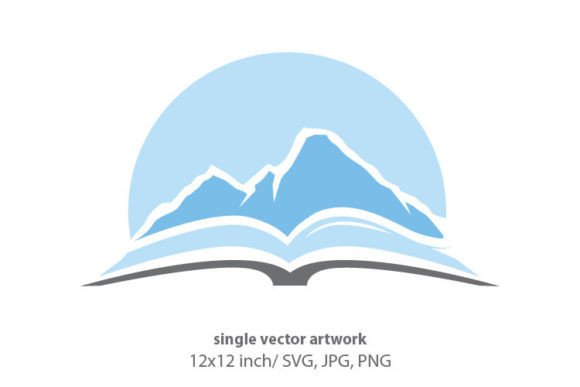
The visual metaphor of a mountain emerging from the pages of an open book is a powerful one. It suggests adventure, knowledge, and the boundless possibilities found within literature. For designers, educators, and content creators, finding the right Mountain As Part of Open Book graphic can elevate a project from mundane to memorable. However, not all digital assets are created equal. Many creators rush into downloading low-resolution files or incompatible formats, only to find their final prints look pixelated or their web designs load slowly. Understanding the technical specifications and artistic potential of these vector-based elements is crucial for achieving professional results.
Understanding the Technical Foundation
Before diving into design applications, it is essential to understand what you are actually acquiring. The ideal asset in this category is created in a vector program like Adobe Illustrator. This means the artwork is built using mathematical paths rather than pixels. The standard artboard size for these versatile graphics is often 12 x 12 inches, with a resolution capability of 300 DPI in the RGB color palette. This combination ensures that the image remains crisp whether it is scaled down for a business card or scaled up for a large wall poster.
The file formats typically included are SVG, JPG, and PNG. Each serves a distinct purpose. The SVG (Scalable Vector Graphics) file is the crown jewel for designers because it retains infinite scalability without quality loss. The PNG offers transparency, which is vital for layering images over colored backgrounds, while the JPG provides a universal fallback for quick previews or non-transparent needs. Recognizing the role of each format prevents the common frustration of trying to stretch a raster image beyond its limits.
Common Mistakes in Asset Selection and Usage
One of the most frequent errors creators make is ignoring the color mode during the initial selection process. Many assume that any high-quality image will work for both print and digital media. However, files optimized for screens use the RGB color palette, while professional printing often requires CMYK. If you intend to use your Mountain As Part of Open Book clipart for printed paper items like invitations or announcements, failing to convert colors or check the profile can result in dull, inaccurate prints. The vibrant blues of the sky or the deep greens of the forest may appear muddy when printed if this step is overlooked.
Another significant misunderstanding involves the misuse of raster files for scalable projects. Beginners often download the JPG version and attempt to enlarge it for a banner or wall art. Because JPGs are pixel-based, enlarging them leads to blurriness and jagged edges. This mistake directly impacts the perceived quality of your brand or project. Always start with the SVG or the original vector file when size flexibility is required. Reserve the JPG and PNG files for web use where specific dimensions are already known and fixed.
Overlooking Licensing and Commercial Rights
While not strictly a technical error, neglecting to verify usage rights is a costly oversight. Many freelancers and small business owners assume that downloading a graphic grants them full commercial freedom. This is rarely the case. Before incorporating these elements into logo designs or products for sale, such as handmade craft items or jewelry packaging, you must confirm the license terms. Using an asset incorrectly can lead to legal issues and forced rebrands, which are far more expensive than purchasing the correct license upfront.
Practical Applications and Best Practices
When used correctly, these vector graphics offer immense versatility. Here is how to maximize their potential across different mediums:
- Logo Design: Use the SVG file to isolate specific elements, such as just the mountain peak or the open book spine. Simplify the design to ensure it remains recognizable at small sizes, such as on social media avatars or favicon icons.
- Wall Art and Home Decor: Since the source file is vector-based, you can scale the artwork to any size without losing detail. This is perfect for creating large canvas prints or framed posters. Ensure you convert the file to the appropriate color profile for your printer to maintain vibrancy.
- Stationery and Invitations: The clean lines of vector art look exceptional on high-quality paper. Use the PNG format with transparency to layer the mountain motif over textured paper backgrounds digitally before printing. This adds depth and sophistication to wedding invitations or corporate announcements.
- Web and Graphic Design: For bloggers and marketers, the SVG format is ideal because it loads quickly and looks sharp on retina displays. You can easily change the colors via CSS to match your website’s theme, offering a level of customization that raster images cannot provide.
How to Evaluate Quality Before Downloading
To avoid disappointment, always inspect the preview images closely. Look for smooth curves and consistent line weights. In a vector file, anchor points should be minimal and logical. If the preview shows jagged edges or inconsistent spacing, the underlying vector path may be poorly constructed. Additionally, check the complexity of the design. Overly complex vectors can slow down web performance or cause issues with certain cutting machines used for handmade crafts.
It is also wise to test the file compatibility with your preferred software. While Adobe Illustrator is the industry standard for creating these files, ensure that your design tool can import SVGs correctly if you are not using Adobe products. Some free or open-source software may interpret complex gradients or effects differently, altering the final appearance of the Mountain As Part of Open Book graphic.
Making the Right Choice for Your Project
Selecting the right digital asset is about matching the tool to the task. If you are creating a simple blog header, a PNG might suffice. However, if you are designing a comprehensive brand identity that includes everything from business cards to large-format signage, the vector SVG is non-negotiable. By understanding the strengths of each format and the importance of resolution and color profiles, you can ensure that your creative vision is executed flawlessly.
Ultimately, the goal is to enhance communication through visual storytelling. A well-chosen mountain and book motif can convey themes of exploration, education, and growth instantly. By avoiding common pitfalls like format mismatch and color profile errors, you save time, reduce costs, and deliver a higher quality product to your audience. Whether you are a seasoned designer or a hobbyist creating handmade cards, taking the time to understand these technical details will significantly improve your outcomes.
Remember to always keep the end-use in mind. Ask yourself: Will this be printed? Will it be scaled? Does it need a transparent background? Answering these questions before you begin designing will guide you to the right file format and prevent unnecessary revisions. With the right approach, these digital graphics become powerful tools in your creative arsenal, enabling you to produce professional, polished, and impactful designs.