Natural Logo Design - SVG File: A Practical Guide to Versatile Vector Branding
In the evolving landscape of brand identity, the demand for organic, earth-inspired aesthetics has surged. Businesses ranging from organic skincare lines to eco-tourism agencies are increasingly seeking visual identities that convey authenticity and sustainability. At the heart of this trend is the Natural Logo Design - SVG File, a resource that offers more than just a pretty image; it provides a foundational toolkit for professional branding. Understanding the technical and creative nuances of these files is essential for designers, business owners, and marketers who aim to establish a credible presence across both digital and print mediums.
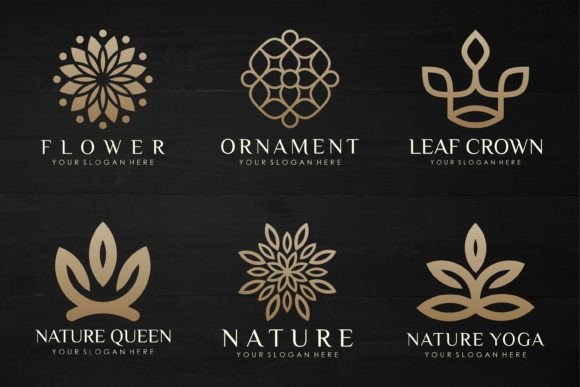
The term "natural" in this context refers not only to the visual style—often characterized by leaf motifs, earth tones, and fluid lines—but also to the seamless integration of the design into various workflows. When evaluating a Natural Logo Design - SVG File, one must look beyond the surface aesthetics to the underlying file architecture. The true value lies in the versatility of vector graphics, which allow for infinite scalability without loss of quality. This article explores the distinct advantages of such designs, compares them with alternative formats, and outlines the specific scenarios where these resources provide the most significant return on investment.
The Distinct Advantage of Vector-Based Natural Designs
The primary distinction of a Natural Logo Design - SVG File is its foundation in vector mathematics. Unlike raster images (such as JPEGs or PNGs), which are composed of fixed pixels, vector files use paths, points, and curves defined by equations. This technical difference is crucial for logo design, where a brand mark must appear equally sharp on a tiny mobile screen favicon and a massive outdoor billboard.
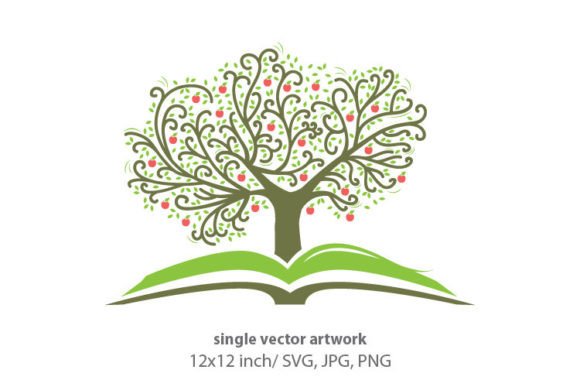
For natural-themed logos, which often feature intricate details like leaf veins, water droplets, or textured bark, vector precision is non-negotiable. A raster image might blur these fine details when enlarged, undermining the professional perception of the brand. In contrast, the Natural Logo Design - SVG File ensures that every curve remains crisp. Furthermore, the inclusion of multiple file formats—such as Illustrator AI, EPS, PDF, and CDR—means that the design is accessible to professionals using different software ecosystems. Whether a designer prefers Adobe Illustrator, CorelDRAW, or open-source alternatives, the availability of these formats removes technical barriers to entry.
Scalability and Resolution Independence
One of the most compelling arguments for utilizing vector-based natural logos is resolution independence. In a multi-channel marketing environment, a business needs its logo to adapt dynamically. Consider a scenario where a coffee shop uses a leaf-inspired logo. On a paper cup, the logo is small and requires high contrast. On a website header, it might be larger and incorporate subtle gradients. With a Natural Logo Design - SVG File, the same core asset can be resized instantly without the need for redesigning or upscaling, which often introduces artifacts in pixel-based images.
Comparing File Formats: When to Use SVG, AI, or PNG
While the Natural Logo Design - SVG File is a central component of the package, understanding how it interacts with other included formats is vital for effective deployment. Each format serves a specific purpose in the lifecycle of a brand asset.
- SVG (Scalable Vector Graphics): Ideal for web development. SVGs are code-based, meaning they load quickly and can be manipulated via CSS for hover effects or color changes. They are perfect for responsive websites where the logo size changes based on the device.
- AI and EPS: These are the working files for professional designers. The AI file (compatible with CS and higher) allows for deep editing of anchor points and bezier curves. The EPS 10 format ensures compatibility with older printing systems and third-party vector software, making it a safe choice for sending files to commercial printers.
- PNG and JPG: These raster formats are necessary for everyday use where vector software is not available. PNGs with transparent backgrounds are essential for overlaying the logo on photos or colored website sections. However, they lack the scalability of vectors and should be used at fixed sizes.
- CDR: Specifically for users of CorelDRAW, this format ensures that the vector data remains editable without conversion issues, catering to a specific segment of the design community.
The tradeoff here is complexity versus convenience. While SVGs and AI files offer maximum flexibility, they require technical knowledge to edit. For a small business owner with no design experience, the included PNG and JPG files offer immediate usability, albeit with less flexibility. A balanced approach involves using the vector files for master branding materials and the raster files for quick social media posts or internal documents.
Customization and Color Variations
A static logo rarely fits all contexts. The Natural Logo Design - SVG File package typically includes unlimited color variation capabilities, a feature that distinguishes professional assets from amateur clipart. Natural logos often rely on a palette of greens, browns, and blues, but brand guidelines may require monochrome versions for faxes, embossed stationery, or single-color merchandise.
Because the elements are fully vector, changing colors is a non-destructive process. Designers can isolate specific layers—such as separating a leaf icon from the text—to create variations that maintain visual harmony. This level of control is difficult to achieve with pre-rendered images. For instance, if a brand decides to pivot from a forest green to a sage green to appear more modern, the vector file allows for this global change in seconds. This adaptability future-proofs the brand identity, allowing it to evolve without the cost of commissioning a new logo.
Typography and Text Integration
It is important to note that many Natural Logo Design - SVG File packages include SVG and PNG files without text, focusing solely on the graphical icon. This separation is intentional. It allows designers to pair the icon with custom typography that aligns with the brand’s voice. The package usually includes a text file with font names and download links, ensuring consistency. By keeping the icon separate, businesses can experiment with different typefaces—serif for a traditional feel, sans-serif for modernity—without altering the core graphic. This modular approach is a hallmark of thoughtful design systems.
Evaluating Fit: Is a Natural Logo Right for Your Business?
While the aesthetic appeal of natural designs is broad, it is not universally appropriate. Decision-makers should evaluate whether this style aligns with their industry and target audience.
Best-Fit Situations:
- Sustainability and Eco-Friendly Brands: Companies selling organic products, renewable energy solutions, or zero-waste goods benefit from the immediate semantic association of natural imagery.
- Health and Wellness: Spas, yoga studios, and holistic health practitioners often use natural motifs to convey calmness, balance, and vitality.
- Artisanal and Handcrafted Goods: Bakeries, pottery studios, and craft breweries use these designs to emphasize authenticity and human touch.
Limitations and Alternatives:
For technology firms, financial institutions, or industrial manufacturers, a natural logo might send mixed signals. In these sectors, geometric precision, bold typography, and abstract symbols often communicate stability and innovation more effectively. If a tech startup uses a leaf motif, it must be highly stylized to avoid appearing out of place. In such cases, a minimalist abstract mark might be a stronger alternative. Additionally, businesses operating in highly regulated industries may find that natural imagery lacks the seriousness required for corporate communications.
Practical Considerations for Implementation
Acquiring a Natural Logo Design - SVG File is only the first step. Proper implementation requires attention to detail. When preparing files for print, always use the CMYK color mode found in the AI or EPS files to ensure color accuracy. For web use, optimize the SVG code to remove unnecessary metadata, improving page load speeds. It is also advisable to create a brand style guide that dictates clear space around the logo, minimum sizing, and approved color combinations. This ensures that the versatility of the vector files does not lead to inconsistent application across different platforms.
Ultimately, the value of a Natural Logo Design - SVG File lies in its combination of aesthetic resonance and technical robustness. It offers a sustainable, scalable, and adaptable foundation for brands that wish to connect with audiences through themes of nature and authenticity. By understanding the strengths of vector formats and the specific use cases for each file type, businesses can make informed decisions that support long-term brand growth. Whether you are a startup looking for a cost-effective identity solution or an established company refreshing its image, these resources provide the flexibility needed in a dynamic digital world.