Watercolor Flower Bouquet Sublimation: A Guide for Creators
In the evolving landscape of digital design and physical product creation, the intersection of artistic aesthetics and technical precision is where true value lies. Watercolor Flower Bouquet Sublimation represents a powerful resource for designers, crafters, and business owners looking to infuse their projects with organic beauty and professional quality. Whether you are designing wedding invitations, creating custom apparel, or developing brand identities, understanding how to leverage high-quality digital assets can significantly elevate your final output.
This article explores the practical applications, technical specifications, and creative potential of using watercolor hand-painted flower bouquet clipart in sublimation and other design workflows. By focusing on usability and real-world scenarios, we aim to provide a clear roadmap for integrating these elements into your creative process.
Understanding the Value of High-Resolution Digital Assets
At its core, Watercolor Flower Bouquet Sublimation is not just about pretty pictures; it is about accessibility and versatility. For many creators, painting intricate floral arrangements from scratch is time-consuming and requires a specific skill set. By utilizing pre-made, high-quality clipart, you bypass the initial labor-intensive phase of creation while still achieving a bespoke, hand-painted look.
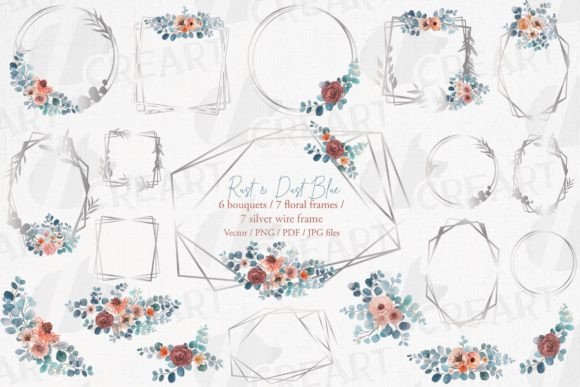
The key to successful integration lies in the quality of the source file. The assets discussed here are provided as high-quality watercolor clipart at 300 DPI (dots per inch). This resolution is the industry standard for print media, ensuring that when your design is transferred to paper, fabric, or other materials, the edges remain crisp, and the colors remain vibrant. Furthermore, the files are formatted as PNGs with transparent backgrounds, sized at 3600 x 3600 pixels. This large canvas size allows for significant scaling without pixelation, giving you the freedom to use the bouquets as small accents or large, dominant features in your designs.
Versatility Across Industries and Projects
One of the most compelling aspects of watercolor floral clipart is its adaptability. It serves a wide range of industries, from event planning to retail merchandise. Below, we explore several key areas where these assets shine.
Wedding and Event Stationery
The wedding industry thrives on personalization and aesthetic cohesion. Watercolor Flower Bouquet Sublimation elements are perfect for creating:
- Wedding Invitations: The soft, translucent nature of watercolor mimics the delicate feel of traditional paper crafts, adding a romantic touch to save-the-dates and invitation suites.
- Party Decorations: From bunting flags to table runners, floral motifs can unify the visual theme of baby showers, bridal showers, and birthday parties.
- Place Cards and Menus: Small floral accents can frame text elegantly, enhancing readability while maintaining a decorative flair.
Because the background is transparent, designers can easily layer these flowers over textured paper backgrounds or solid colors without worrying about awkward white boxes around the image.
Apparel and Textile Design
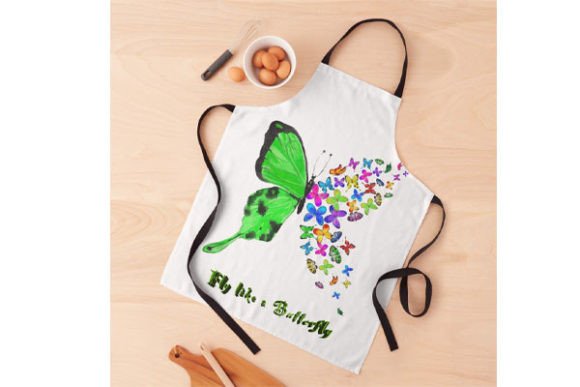
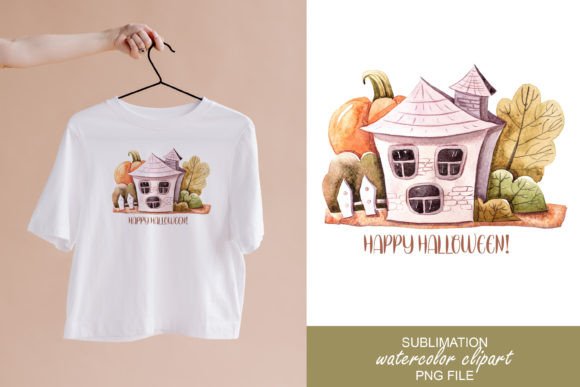
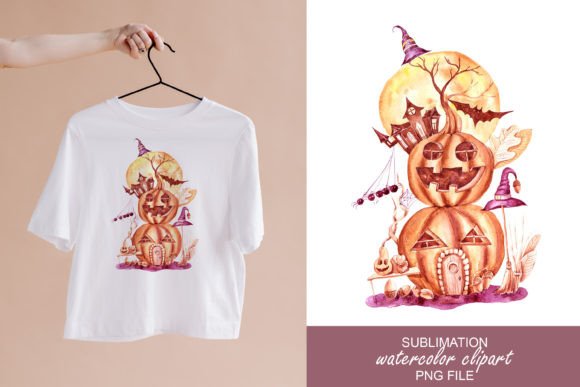
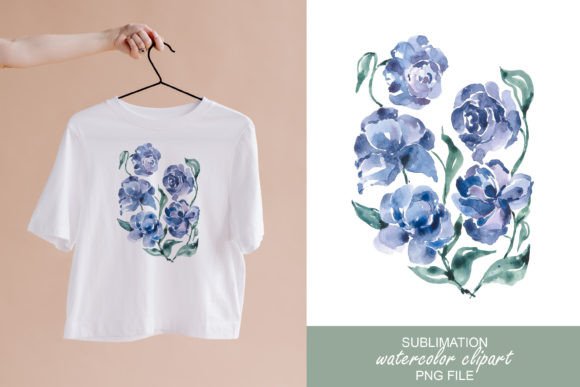
Sublimation printing has revolutionized custom apparel, allowing for full-color, all-over prints that are durable and vibrant. Watercolor florals are particularly well-suited for this medium because the fluid nature of the paint blends seamlessly with fabrics. You can print these clipart elements on:
- Clothes: T-shirts, dresses, and scarves benefit from the organic flow of watercolor patterns.
- Bed Linen: Duvet covers and pillowcases featuring large-scale floral bouquets create a calming, natural bedroom aesthetic.
- Textile Totes: Reusable bags adorned with unique floral designs appeal to eco-conscious consumers looking for style and sustainability.
When using these assets for textiles, ensure that your color profile is adjusted correctly for the specific fabric type, as watercolors can appear slightly different on cotton versus polyester blends.
Branding and Commercial Use
For business owners, establishing a distinct visual identity is crucial. Watercolor elements convey warmth, approachability, and creativity. They are ideal for:
- Logos: Boutique shops, bakeries, and salons often use floral icons to soften their brand image.
- Packaging: Custom labels for candles, soaps, or skincare products gain a premium feel with hand-painted botanical illustrations.
- Social Media Graphics: Consistent use of floral overlays can create a recognizable template for Instagram posts or Pinterest pins.
Technical Considerations for Best Results
While the assets are designed for ease of use, achieving professional results requires attention to technical details. Here are some practical tips for working with Watercolor Flower Bouquet Sublimation files.
Resolution and Scaling
The provided 3600 x 3600 px dimensions offer substantial flexibility. However, always check the required resolution for your specific output. For web design, you may need to downscale images to reduce load times, but for print, never upscale beyond the original resolution if you want to maintain clarity. The 300 DPI specification ensures that even when printed at larger sizes, the intricate brushstrokes and color gradients remain sharp.
Transparency and Layering
The transparent background is a critical feature. It allows you to place the floral bouquets over any color or pattern without manual editing. In design software like Adobe Photoshop, Illustrator, or Canva, you can simply drag and drop the PNG file. This saves hours of masking and cutting out images, streamlining your workflow significantly.
Color Management
Watercolor art relies heavily on subtle variations in tone and saturation. When preparing files for sublimation or print, ensure your monitor is calibrated. Colors on screen may look brighter than they appear on paper or fabric. It is advisable to print a test sample before committing to a large production run. This helps you adjust brightness and contrast to match your expectations.
Real-World Application Scenarios
To better understand the utility of these assets, consider the following scenarios:
Scenario 1: The Small Business Owner
Sarah runs an online shop selling handmade soy candles. She wants to update her label design to reflect a spring collection. Using the Watercolor Flower Bouquet Sublimation clipart, she selects a lavender and eucalyptus bouquet. She places it centrally on her label template, adds her logo in a complementary font, and prints the labels on adhesive paper. The result is a cohesive, professional-looking product that stands out on shelves.
Scenario 2: The Wedding Planner
James is designing a suite of invitations for a rustic-themed wedding. He uses the floral clipart to create a border for the main invitation card. He then scales down smaller elements from the same set to create matching RSVP cards and thank-you notes. The consistent use of the same watercolor style ties the entire stationery suite together, providing a polished and thoughtful experience for the guests.
Scenario 3: The Digital Creator
Emily creates digital planners and journals for sale on Etsy. She incorporates the watercolor flowers as decorative dividers between sections. Because the files are high-resolution PNGs, they look crisp on tablets and e-readers. She also offers a printable version, where the 300 DPI quality ensures that customers can print the pages at home with excellent results.
Evaluating Suitability for Your Needs
Before downloading and using any digital asset, it is important to assess whether it fits your project requirements. Ask yourself the following questions:
- What is the end product? If you are printing on dark fabrics, remember that sublimation works best on light-colored, polyester-based materials. Watercolors may not show up well on dark backgrounds without additional design adjustments.
- Do you need exclusivity? Clipart sets are often sold to multiple users. If you need a completely unique logo, consider using the clipart as a base and modifying it significantly, or combining it with other elements to create a unique composition.
- Is the style consistent? Ensure that the watercolor style matches your brand voice. Soft, pastel florals convey romance and calm, while bold, vibrant blooms might suit a more energetic brand.
Limitations and Practical Expectations
While versatile, there are limitations to keep in mind. First, text is for display purposes only and not included in the download. You will need to add your own typography using design software. Second, while the clipart is high quality, it is still a digital representation of hand-painted art. Some minor variations in color may occur between different screens and printers. Finally, always respect the licensing terms associated with the clipart. Most commercial-use licenses allow you to use the images in products you sell, but they typically prohibit reselling the digital files themselves.
Conclusion
Watercolor Flower Bouquet Sublimation offers a bridge between artistic expression and commercial practicality. By providing high-quality watercolor clipart at 300 DPI with transparent backgrounds, these assets empower creators to produce stunning designs for weddings, apparel, branding, and more. Whether you are a seasoned designer or a novice crafter, understanding how to leverage these tools can enhance your creative output and streamline your workflow.
As you incorporate these elements into your projects, remember to focus on harmony, resolution, and color accuracy. With the right approach, watercolor florals can add a touch of elegance and authenticity to any design, helping you connect with your audience on a deeper, more visual level. Explore the possibilities, experiment with layouts, and let the natural beauty of watercolor elevate your creative endeavors.