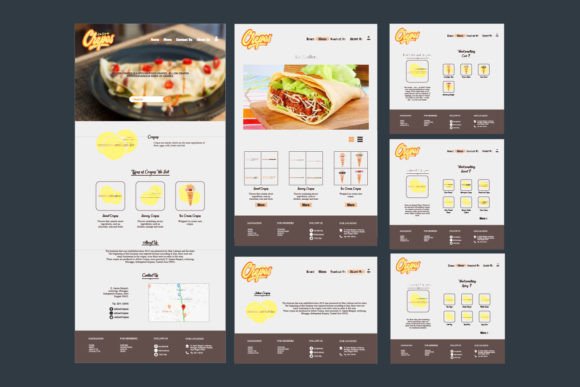
Graphic Design Food: Streamlining Visual Branding with Premium Templates
In the fast-paced world of culinary marketing, visual appeal is not merely an aesthetic choice; it is a fundamental component of business strategy. Whether you are running a high-end restaurant, managing a food blog, or launching a new line of artisanal products, the quality of your graphic assets directly influences consumer perception. This is where Graphic Design Food templates have emerged as a critical resource for professionals and entrepreneurs alike. These premium design assets offer a bridge between professional-grade aesthetics and efficient workflow management, allowing creators to produce polished materials without starting from scratch.
The modern digital landscape demands consistency and speed. For many small business owners and freelance designers, the pressure to deliver high-quality visuals on tight deadlines can be overwhelming. Utilizing well-structured, fully editable design templates provides a practical solution. By leveraging resources that are optimized for industry-standard software like Adobe Illustrator, users can maintain brand integrity while significantly reducing production time. This article explores the utility, structure, and real-world application of these premium food design templates, offering a balanced perspective on their value for various creative workflows.
The Strategic Value of Pre-Built Design Assets
At its core, a Graphic Design Food template is more than just a collection of shapes and colors; it is a structured framework for communication. The primary advantage of using premium templates lies in their organization. Unlike free or amateur resources often found online, professional templates are built with a clear hierarchy and logical layer structure. This organization is crucial for usability. When a designer opens a file, they should not have to spend hours deciphering which layer controls the background and which controls the typography. Well-labeled layers allow for immediate interaction with the design elements, facilitating a smoother editing process.
Furthermore, the flexibility of these assets cannot be overstated. In the culinary industry, trends shift rapidly. A color palette that feels fresh and inviting today may appear dated within a year. Premium templates that feature fully editable objects and colors empower users to adapt their branding instantly. You are not locked into a rigid visual identity. Instead, you have the freedom to adjust hues, swap out imagery, and modify layouts to suit seasonal promotions or evolving brand guidelines. This adaptability ensures that the initial investment in a template continues to yield returns over time, as the same base file can be repurposed for multiple campaigns.
Technical Specifications and File Integrity
Understanding the technical backbone of these design resources is essential for evaluating their suitability for your projects. High-quality Graphic Design Food templates are typically distributed in formats that preserve vector integrity, such as EPS 10. The choice of EPS 10 is significant because it ensures compatibility with a wide range of Adobe Illustrator versions, including older iterations that some freelancers or smaller agencies might still utilize. This backward compatibility is a thoughtful inclusion that broadens the accessibility of the asset.
The inclusion of a JPEG preview file also serves a practical purpose. It allows users to quickly assess the visual style and layout before committing to opening the heavier vector file. This is particularly useful when managing large libraries of assets or when collaborating with clients who may not have design software installed. They can view the JPEG to approve the general direction, streamlining the feedback loop.
It is important to note a standard limitation in this industry: photos are generally not included in these template packages. This is a deliberate design choice rather than an oversight. Stock photography licenses are complex and often restrictive. By excluding specific images, template creators ensure that the user retains full control over the licensing of their final output. Users are expected to insert their own high-resolution photography or licensed stock images. This approach encourages originality and prevents the "cookie-cutter" look that can plague businesses using identical template assets. It places the responsibility of content creation on the user, which ultimately leads to more authentic and unique branding.
Usability and Workflow Efficiency
For professionals, time is a billable resource. The efficiency gained from using a well-organized Graphic Design Food template can be measured in hours saved per project. Consider the process of creating a menu, a promotional flyer, or social media graphics from scratch. Each element, from the kerning of the headers to the alignment of the price lists, requires meticulous attention. A premium template handles these foundational design principles upfront. The typography pairings are already tested for readability and aesthetic harmony. The spacing and grid systems are established to guide the eye naturally through the content.
This does not mean the user is passive. On the contrary, effective use of these templates requires a keen eye for detail. The designer must ensure that the inserted content aligns with the existing structure. However, the heavy lifting of conceptualization and structural design is already complete. This allows the creator to focus on customization and refinement rather than basic construction. For freelancers juggling multiple clients, this efficiency can mean the difference between meeting a deadline comfortably or rushing through final checks.
Moreover, the consistency provided by these templates helps in building a recognizable brand identity. When all your marketing materials—from business cards to digital banners—share the same underlying structural DNA, your brand appears more cohesive and professional. This consistency builds trust with consumers, who subconsciously associate organized, uniform visuals with reliability and quality in the food service itself.
Who Benefits Most from These Templates?
The audience for Graphic Design Food templates is diverse, but certain groups stand to gain the most from their implementation.
- Small Business Owners and Restaurateurs: Many food entrepreneurs possess deep knowledge of their craft but lack extensive design training. These templates provide a safety net, ensuring that their marketing materials meet professional standards without the need to hire an external agency for every minor update.
- Freelance Graphic Designers: For designers, these assets serve as excellent starting points or inspiration. They can deconstruct the templates to understand how certain effects were achieved or use them as a base to accelerate client work, thereby increasing their hourly profitability.
- Marketers and Social Media Managers: The demand for fresh content on platforms like Instagram and Pinterest is relentless. Having a library of editable food-themed templates allows marketers to produce high-volume content quickly while maintaining visual quality.
- Food Bloggers and Content Creators: Visual presentation is key to engaging readers in the food niche. Templates for e-books, recipe cards, and blog headers help creators elevate their digital presence, making their content more shareable and visually appealing.
Practical Recommendations for Implementation
To maximize the value of Graphic Design Food templates, users should approach them with a strategic mindset. First, always review the license agreement to understand usage rights, especially if the designs will be used for commercial purposes or resold. Second, invest time in learning the basics of Adobe Illustrator if you are not already proficient. While the templates are designed to be user-friendly, a basic understanding of vector paths, layers, and color modes (CMYK for print, RGB for web) is essential for achieving the best results.
When customizing, resist the urge to overcrowd the design. One of the strengths of professional templates is their use of white space and balance. Adding too much text or too many graphical elements can disrupt this harmony. Stick to the intended structure, and only deviate when necessary to accommodate specific content needs. Additionally, always replace placeholder images with high-resolution, professionally lit photography. The quality of the template can only elevate your content so far; the final impact relies heavily on the quality of the food imagery you insert.
Finally, consider the long-term versatility of the template. Choose designs that are not overly trend-dependent. Classic typography and clean layouts tend to age better than those relying heavily on fleeting design fads. This ensures that your materials remain effective and relevant for a longer period, providing better return on investment.
Conclusion
In conclusion, Graphic Design Food templates represent a valuable tool in the modern creator's arsenal. They offer a blend of professional quality, technical reliability, and operational efficiency that is difficult to replicate from scratch under tight deadlines. By providing fully editable elements, well-organized layers, and compatible file formats, these resources empower a wide range of users to produce compelling visual content. While they require thoughtful customization and high-quality original photography to reach their full potential, their ability to streamline workflow and enhance brand consistency makes them a worthwhile consideration for anyone serious about food-related visual communication.