Elevating Digital Design: The Strategic Power of Abstract Shapes in Modern Visual Communication
In the rapidly evolving landscape of digital design, the demand for versatile, high-quality visual assets has never been greater. As brands and creators strive to cut through the noise of an increasingly saturated market, Abstract Shapes have emerged as a fundamental tool for establishing unique visual identities. These are not merely decorative elements; they are strategic components that define tone, guide user attention, and enhance aesthetic cohesion across various media. Whether you are a seasoned graphic designer, a marketing entrepreneur, or a freelance content creator, understanding how to leverage these assets can significantly elevate the quality and impact of your work.
The Evolution of Visual Minimalism and Geometric Flexibility
The rise of Abstract Shapes in contemporary design is deeply rooted in the broader trend toward minimalism and functional aesthetics. In recent years, there has a been a noticeable shift away from overly complex, photorealistic imagery toward cleaner, more adaptable graphical elements. This transition reflects a changing consumer preference for clarity and speed. In a world where attention spans are shortening, abstract forms allow for immediate visual communication without the cognitive load required to process detailed illustrations or photographs.
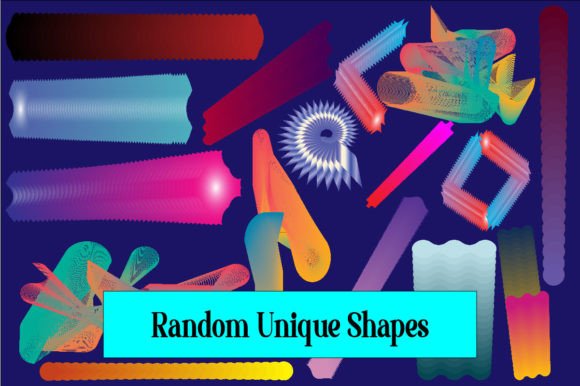
These shapes serve as the building blocks of modern visual language. They offer a level of flexibility that traditional imagery simply cannot match. By utilizing a unique set of abstract shapes with transparent background, designers can seamlessly integrate these elements into any layout, regardless of the underlying color scheme or texture. This adaptability is crucial for maintaining brand consistency across diverse platforms, from social media posts to corporate presentations.
Technical Precision Meets Creative Freedom
One of the most significant advantages of working with professional-grade abstract assets is the technical quality provided. For instance, accessing a collection that includes 49 PNG elements and 34 SVG elements at 300 DPI in RGB color mode ensures that your designs remain crisp and vibrant across all mediums. The distinction between raster (PNG) and vector (SVG) formats is critical for modern workflows.
- PNG Elements: Ideal for quick integration into digital compositions, web banners, and social media graphics where transparency is key.
- SVG Elements: Perfect for scalable web design, ensuring that shapes remain sharp on any screen size, from mobile devices to large 4K monitors.
- High Resolution (300 DPI): Essential for print applications, ensuring that posters, brochures, and packaging materials look professional and polished.
This combination of formats allows creators to let their imagination run wild without being constrained by technical limitations. Whether you are designing for screen or print, having access to both vector and raster formats provides the freedom to experiment and iterate quickly.
Integrating Abstract Shapes into Professional Workflows
For professionals and entrepreneurs, time is a valuable resource. The efficiency gained by using pre-designed, high-quality abstract elements cannot be overstated. Instead of spending hours creating basic geometric forms from scratch, designers can focus on higher-level creative decisions, such as composition, color theory, and messaging. This shift in workflow aligns with the growing need for agility in creative industries.
Consider the role of these assets in presentations. A well-designed slide deck can make the difference between securing a client and losing them. By incorporating abstract shapes, presenters can create visual hierarchy, highlight key data points, and maintain audience engagement. The transparent backgrounds allow these shapes to overlay images or colored backgrounds without creating visual clutter, resulting in a clean, professional appearance.
- Brand Identity Development: Use abstract shapes to create unique patterns and textures that become synonymous with your brand.
- Social Media Content: Enhance posts with dynamic elements that draw the eye and encourage interaction.
- Web Design: Break up text-heavy sections with organic or geometric shapes to improve readability and user experience.
- Digital Decorations: Add subtle visual interest to emails, newsletters, and digital invitations.
The Role of Transparency in Modern Design
The inclusion of a transparent background in these assets is not just a convenience; it is a necessity for modern design practices. Transparency allows for layering, a technique that adds depth and complexity to two-dimensional designs. By layering different abstract shapes, creators can generate unique compositions that feel custom-made, even when using stock elements. This capability is particularly valuable for scrapbooking enthusiasts and digital artists who rely on layering to tell visual stories.
Furthermore, transparency ensures that these elements blend seamlessly with existing brand colors. This is crucial for maintaining visual harmony. When shapes can adapt to any background, they become universal tools that can be reused across multiple projects, maximizing the return on investment for creative assets.
Meeting the Changing Needs of Creators and Consumers
The relevance of Abstract Shapes extends beyond aesthetics; it addresses the changing expectations of consumers. Today’s audiences are visually sophisticated. They expect high-quality, cohesive design in every interaction they have with a brand. Poorly designed visuals can undermine credibility, while polished, thoughtful design builds trust and authority.
Entrepreneurs and marketers are increasingly aware of this dynamic. They are moving away from generic templates and seeking out unique assets that allow for customization. A unique set of abstract shapes provides the raw material for this customization. It allows businesses to create distinct visual narratives that resonate with their target audiences. This trend is evident in the growing popularity of niche design resources that cater to specific styles and industries.
Moreover, the versatility of these assets supports the multi-platform nature of modern marketing. A shape used in a website header can be repurposed for an Instagram story, a LinkedIn banner, or a printed flyer. This cross-platform consistency is essential for building brand recognition. By using a unified set of abstract elements, brands can ensure that their visual identity remains coherent, regardless of where the audience encounters them.
Practical Applications Across Industries
The application of abstract shapes is not limited to traditional graphic design. They are increasingly relevant in various sectors, including technology, education, and lifestyle. In the tech industry, abstract forms are often used to represent complex concepts such as connectivity, data flow, and innovation. In education, they help break down information into digestible visual chunks, making learning materials more engaging and accessible.
For web-designs, abstract shapes can guide user navigation. Arrows, circles, and lines can subtly direct the user’s eye toward call-to-action buttons or important content. This use of visual cues enhances usability and improves conversion rates. Similarly, in posters and event promotions, bold abstract forms can create a sense of energy and movement, attracting attention in crowded physical spaces.
The availability of 300 DPI files ensures that these applications are not limited to digital screens. High-resolution prints require sharp, clear images, and abstract shapes delivered at this quality meet that need. This makes them suitable for large-format printing, such as billboards and trade show displays, where pixelation would be unacceptable.
Empowering Creativity Through Accessible Tools
Ultimately, the value of Abstract Shapes lies in their ability to empower creators. By providing high-quality, versatile tools, these assets lower the barrier to entry for professional-grade design. Freelancers and small business owners, who may not have the budget for custom illustration, can achieve similar results by strategically using abstract elements. This democratization of design tools is driving a surge in creativity across the board.
As we look to the future, the importance of visual communication will only continue to grow. The ability to convey ideas quickly and effectively through design is a critical skill for professionals in any field. By incorporating Abstract Shapes into their toolkit, creators can stay ahead of trends, meet the evolving needs of their audiences, and produce work that stands out in a competitive landscape.
To explore how these elements can transform your next project, consider integrating a comprehensive library of shapes into your workflow. With 49 PNG elements and 34 SVG elements at your disposal, the possibilities are endless. From digital decorations to complex web-designs, these assets provide the foundation for innovative and impactful visual storytelling. Let your creativity flourish by leveraging the power of abstract forms, and discover new ways to connect with your audience through design.
In conclusion, Abstract Shapes are more than just design trends; they are essential tools for modern communication. By understanding their technical specifications, strategic applications, and broader cultural relevance, professionals can harness their full potential. Whether you are designing a poster, crafting a presentation, or enhancing a website, these elements offer the flexibility and quality needed to succeed in today’s visual world.